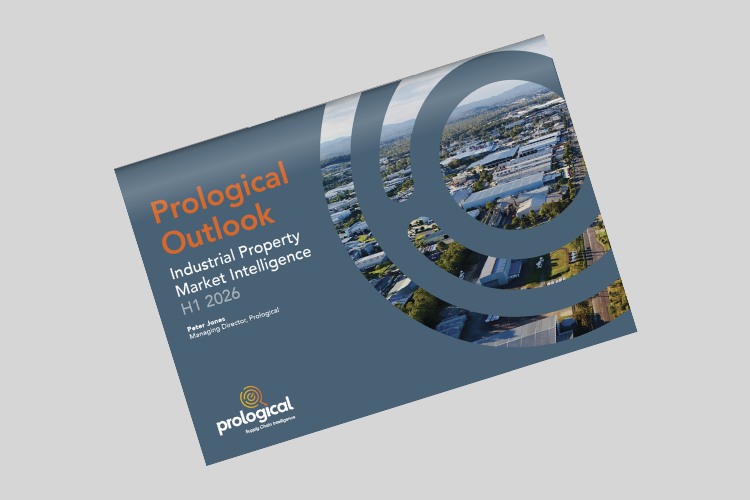
A vacancy rate of 6.1% reads, at face value, like a tenant’s market. In the 10,000–30,000 square metre (sqm) band it carries the highest vacancy of any size range in Australia, and it is easy to assume that choice will stay plentiful.
The detail points the other way. That vacancy comes from a wave of speculative building, where developers construct before a tenant is secured. The wave concentrated in this band along the eastern seaboard over the past two years, and it has since slowed sharply. About 55% of what remains of the 2026 pipeline is already pre-committed, and occupiers are working through the stock that was built rather than prompting new supply. Developers, having absorbed losses on the last speculative cycle, have pulled back from building without a tenant secured. Conditions also differ sharply by city and by precinct.
The result is a timing question rather than a vacancy question. Businesses that define their facility requirements precisely, and take them to market with a clear view of how their city and precinct are moving, are better placed than those reading a single national figure.
What’s inside
-
Why the 6.1% mid-size vacancy figure may reflect a legacy of past building rather than present weakness in demand
-
Where conditions diverge across Sydney, Melbourne, Brisbane, Perth and Adelaide, including precinct-level movements within cities
-
Prime rents, incentives and net effective rents for each market, side by side
-
How fuel costs, interest rates and a cautious Reserve Bank are shaping the cost of facility decisions
-
How timing and lease terms interact for businesses with a lease event 12 to 24 months out
-
Why defining facility requirements before engaging the property market matters
Key Figures
6.1%
vacancy in the 10,000–30,000 sqm band in Q2 2026~55%
of what remains of the 2026 industrial pipeline is already pre-committed,Only ~25%
of the 2027 pipeline is currently under construction